US alerts Israel over Iran assassination plans, diplomatic tensions rise
Washington’s warning to Tel Aviv
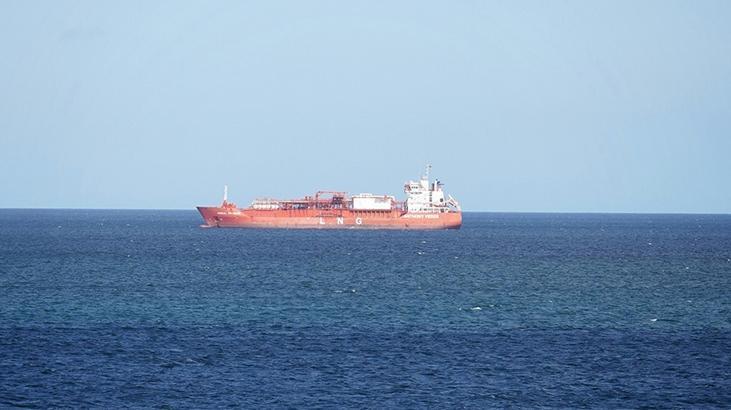
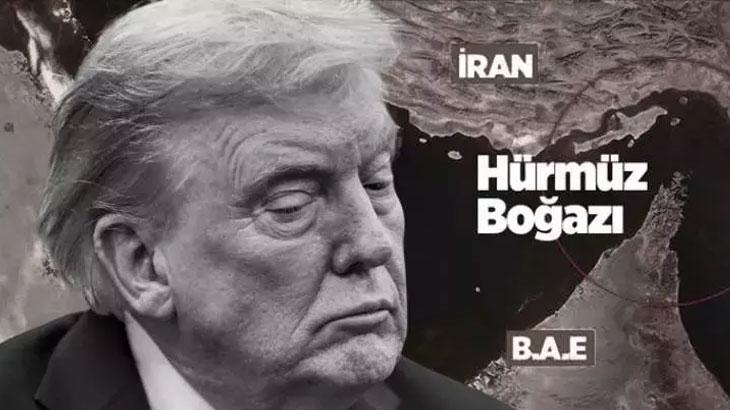
The United States has privately told Israel to halt any assassination plots targeting Iran’s senior negotiators, according to current and former U.S. officials. The warning comes as Tehran and Washington continue diplomatic talks aimed at ending the war and reopening the Hormuz Strait to international shipping. The U.S. message emphasizes that killing Iran’s political leadership would eliminate moderate voices in Tehran. Trump’s recent remarks suggest Iran may have accepted most U.S. nuclear demands, adding pressure on all sides to de‑escalate.
Impact on Iran negotiations
American officials have been pressing Tel Aviv to avoid actions that could derail the fragile peace process. In March, U.S. envoys delivered a clear message to Israeli counterparts: refrain from targeting Iran’s political elite. The U.S. fears that such attacks would radicalize Iranian politics and push the region toward wider conflict. Analysts say Washington’s direct warning reflects growing disagreement between the two allies over the best path to pressure Tehran. Israel’s recent air strikes in southern Lebanon underscore the ongoing military pressure despite diplomatic overtures.
Key figures and possible targets
- Iran Foreign Minister Abbas Erakçi – rumored to be a primary target of Israeli covert operations.
- Parliament Speaker Muhammed Bakır Kalibaf – also mentioned in planning documents.
- Senior security official Ali Laricani – survived an Israeli strike in mid‑March, deepening mistrust.
Regional fallout and U.S. stance
The U.S. State Department stresses that President Trump supports a negotiated settlement rather than covert warfare. However, Israeli leaders appear determined to pursue a more aggressive strategy, potentially undermining any U.S.-led talks. A senior White House official said, “The President wants the peace process to work.” This statement highlights Washington’s desire to keep dialogue alive while managing Israel’s unilateral actions. The divergent approaches risk derailing the diplomatic track that aims to end the war and restore regional stability. Observers note that continued Israeli strikes could provoke a harsher Iranian response, threatening broader conflict.
“If you take out these people, you will also eliminate the pragmatists,” a former U.S. diplomat warned, reflecting the administration’s concern over losing moderate influence in Tehran.
Why this matters for global markets
Oil markets are watching the escalation closely, as any disruption to Middle Eastern shipping lanes could spike prices. Investors are also monitoring the diplomatic signals for clues on the future of nuclear negotiations. A prolonged stalemate could tighten energy supplies and affect currencies across the region. Additionally, the uncertainty may influence defense stocks, as both the U.S. and Israel increase military readiness.
Looking ahead
Diplomats predict that the next round of talks will focus on concrete confidence‑building measures, such as prisoner exchanges and limited sanctions relief. The U.S. will likely continue to use backchannel communications to keep Israel’s options limited. Observers warn that without a clear roadmap, the current tension could spiral into a larger confrontation. Stakeholders on all sides are urging restraint while preparing for possible outcomes.