US Supreme Court Blocks Trump’s Birthright Citizenship Limits, Upholds 14th Amendment
The United States Supreme Court on Thursday rejected President Donald Trump’s attempt to end automatic citizenship for children born in the U.S. The ruling, a 6‑2 decision, preserves the long‑standing interpretation of the 14th Amendment. The case centered on a 2025 executive order that would have stripped citizenship from babies of undocumented or temporary‑visa parents. Legal experts say the decision reinforces constitutional protections for ABD‑born children, regardless of parental status. The Court’s opinion, authored by Chief Justice John Roberts, emphasized that the Constitution “automatically grants citizenship through birthright to virtually all children born here.”
Court’s Reasoning and Key Arguments
Chief Justice John Roberts wrote that the Constitution grants “birthright citizenship to almost every child born in America.” He noted that lower courts across the nation had already declared the order “unconstitutional” before the Supreme Court’s review. The majority opinion highlighted historical precedent, dating back to the post‑Civil War era, that the 14th Amendment was designed to secure citizenship for all persons born on U.S. soil. The decision also reaffirmed that the amendment’s language is not limited to former slaves but applies universally. This interpretation prevents any future executive action from unilaterally altering citizenship rules.
The Court simultaneously upheld state laws that restrict transgender girls and women from participating in public school and university sports teams. This part of the ruling signals the judiciary’s willingness to preserve gender‑specific policies when states enact them. Legal analysts view the dual rulings as a balanced approach: protecting birthright citizenship while allowing states leeway on other social issues. The justices’ split decision reflects ongoing national debates over the scope of constitutional rights.
Trump’s Immediate Reaction
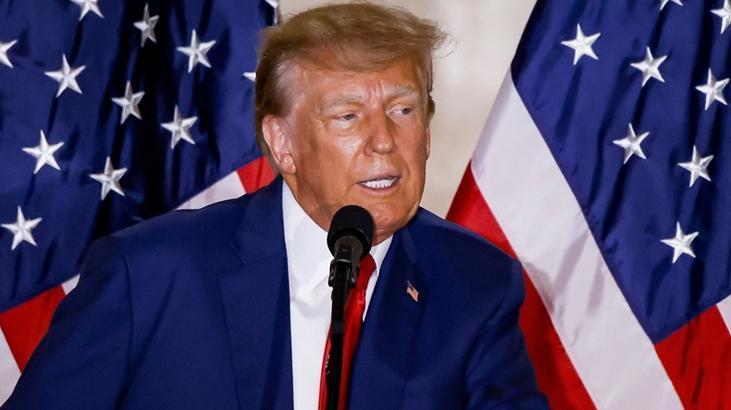
“A unfortunate situation,” Trump posted on social media, adding that Congress could rectify the issue with a new law backed by the President.
In a follow‑up statement, Trump argued that a simple congressional act—not a constitutional amendment—could end birthright citizenship. He urged lawmakers to “begin efforts today” to stop what he called a costly and unfair policy. The former president pledged his “full and unconditional support” to any legislative push aimed at overturning the constitutional interpretation. Critics warn that such a move would require a constitutional amendment, a far more complex process than Trump suggests.
The order, issued on Trump’s first day in his second term, sought to block citizenship for children of undocumented immigrants and those on temporary visas. Lower courts had already blocked implementation, deeming the order “unconstitutional” in every case. The Supreme Court’s rejection means the policy will remain permanently enjoined. The decision closes a controversial chapter that had sparked nationwide protests and legal battles.
Broader Impact and Future Outlook
Legal scholars say the ruling reinforces the principle that the Constitution’s text prevails over executive ambition. It also signals that future attempts to modify citizenship rules will face steep judicial hurdles. The decision may influence ongoing debates over immigration reform and the rights of non‑citizen families. Moreover, the Court’s affirmation of state‑level sports restrictions could set a precedent for other gender‑related policies. Observers note that the Court’s stance may shape political strategies for both parties in upcoming elections.
For context, see related coverage on how global leaders are responding to similar citizenship debates. President Erdoğan offered respects on the eighth anniversary of Fuat Sezgin’s passing. Meanwhile, a Greek employer is piloting a four‑day work week for its staff, highlighting innovative labor policies abroad. The initiative aims to boost productivity and employee well‑being. Additionally, First Lady Emine Erdoğan stressed that the number of foster families will multiply in coming years.
Key Takeaways
- Supreme Court’s 6‑2 decision blocks Trump’s birthright citizenship order.
- The ruling affirms the 14th Amendment’s protection for all U.S.‑born children.
- Lower courts had already blocked the policy; this decision makes the block permanent.
- The Court also upheld state restrictions on transgender athletes in sports.
- Trump calls for congressional action, though legal experts say amendment is required.